
 EN
ENCanada Study Permit Conditions and Rules: 2026 Guide
International students in Canada must comply with several study permit conditions while studying. Failure to follow these conditions may result in loss of student status, cancellation of the study permit, or removal from Canada.
International students in Canada must follow specific IRCC study permit conditions while studying. Failure to comply with study permit rules may result in loss of student status, removal from Canada, or future immigration consequences.
This guide has been prepared based on the latest 2026 IRCC policies and Canadian immigration rules regarding study permit conditions, authorized leave, DLI compliance, and student responsibilities in Canada.
Table of Contents
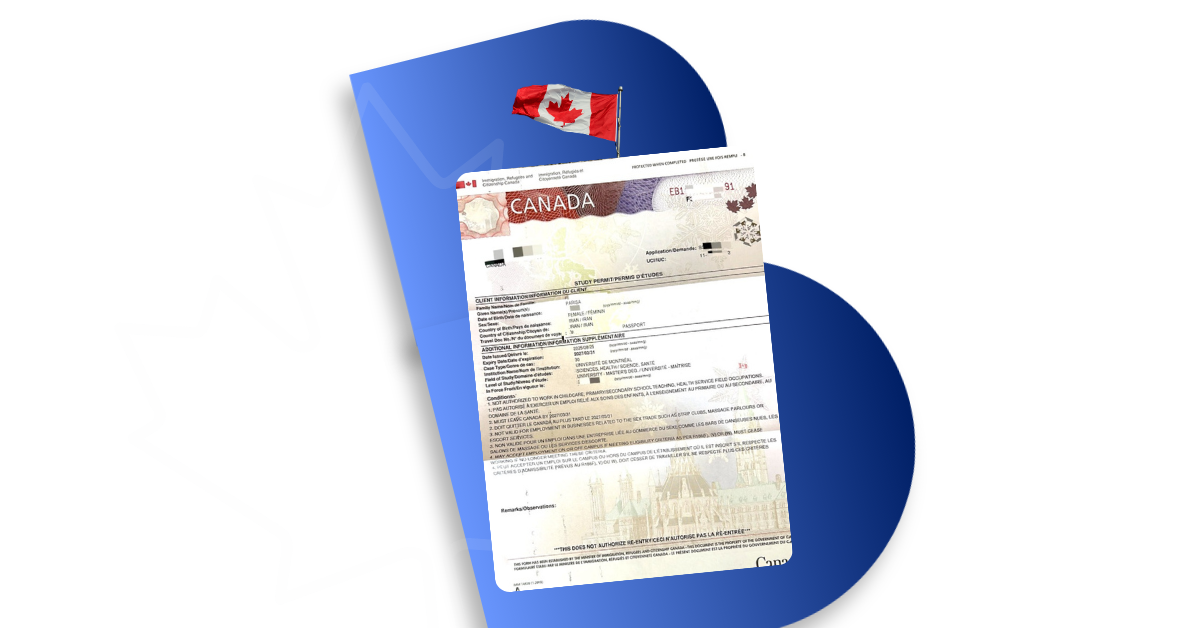
Canada study permit conditions
International students studying in Canada must comply with several study permit conditions imposed by IRCC. These conditions apply throughout the student’s stay in Canada.
- Remain enrolled at a Designated Learning Institution (DLI)
- Actively pursue studies during each academic semester
- Make academic progress toward program completion
- Respect authorized leave limitations
- Stop studying if no longer meeting student requirements
- Leave Canada or extend status before permit expiry
Students in Quebec may also need to comply with additional provincial requirements related to CAQ and educational institutions.
Other conditions listed on a study permit
Some students may have additional conditions written directly on their study permit.
- Authorized work conditions
- Medical examination requirements
- Travel restrictions or limitations
- Level of studies
- Date studies must end
Students must follow all conditions listed on their permit document.
Actively pursuing studies in Canada
IRCC requires most international students to actively pursue their studies while holding a Canadian study permit.
Students are generally expected to remain enrolled full-time or part-time during academic semesters, regularly attend classes, and make reasonable progress toward completing their program.
- Maintain enrollment during each semester
- Make academic progress toward graduation
- Avoid unauthorized gaps in studies
- Comply with enrollment conditions at the DLI
IRCC officers may review transcripts, enrollment records, attendance history, and school documentation to assess compliance.
How IRCC verifies study permit compliance
IRCC may request documents to confirm that students are actively pursuing studies in Canada.
- Official transcripts
- Enrollment confirmation letters
- School attendance records
- Withdrawal or suspension records
- Medical documentation for approved leave
Random compliance checks may also occur during the validity period of the study permit.
Authorized leave from studies in Canada
Certain international students may temporarily pause their studies through an authorized leave approved by their school.
In many situations, authorized leave periods cannot exceed 150 days while the student remains compliant with IRCC requirements.
- Medical reasons or pregnancy
- Family emergencies
- Death or serious illness of a family member
- School strikes or permanent closures
- Approved deferrals or school transfers
Students usually do not need to proactively notify IRCC about authorized leave, but they must provide supporting documents if requested.
Can students work during authorized leave?
Students generally cannot work on or off campus during authorized leave periods, even if their study permit normally allows work authorization.
However, limited exceptions may apply during temporary school closures caused by strikes.
Changing schools and deferred enrollment
International students changing schools, deferring enrollment, or transferring programs in Canada may need to update their study permit information with IRCC.
If a school loses DLI status before studies begin, students generally cannot start studying at that institution.
- Apply and receive acceptance from a new DLI
- Update school information with IRCC
- Apply for a study permit extension if required
- Obtain updated enrollment documents
Some students changing schools or study levels may also require a Provincial Attestation Letter (PAL) or Territorial Attestation Letter (TAL).
What happens if you do not meet study permit conditions?
Students who fail to comply with study permit conditions may lose their legal student status in Canada.
- Loss of study permit status
- Removal from Canada
- Future immigration complications
- Possible refusal of future permits or visas
- Restrictions on future study or work authorization
Students who work or study without authorization may also negatively affect future immigration applications submitted to IRCC.
Possible future immigration consequences
Non-compliance with study permit conditions may impact:
- Future study permit applications
- Work permit eligibility
- Visitor visa applications
- Permanent residence applications
- Post-Graduation Work Permit (PGWP) eligibility
People exempt from certain study permit conditions
Some international students in Canada may be exempt from proving enrollment at a Designated Learning Institution (DLI) or actively pursuing studies under specific IRCC exemption categories.
These exemptions apply only in limited situations defined under Canadian immigration rules.
- Refugee claimants and protected persons
- Certain family members of refugee claimants
- Convention refugees or humanitarian-protected persons
- Foreign government or United Nations representatives
- Members of foreign armed forces in Canada on official duties
- Students participating in official exchange programs
- Certain United States government personnel working in Canada
- Students who became unexpectedly impoverished for reasons beyond their control
- Some family members of Canadian study permit or work permit holders
Even if exempt from some enrollment or active study requirements, students must still comply with all other conditions listed on their study permit.
Family member exemptions under study permit rules
Certain spouses or dependent children of individuals living in Canada may qualify for limited exemptions under IRCC study permit conditions.
- Family members of Canadian study permit holders
- Family members of work permit holders
- Family members of protected persons
- Family members of foreign representatives or armed forces members
Do exempt students still need to follow study permit conditions?
Yes. Even students exempt from certain enrollment or active study requirements must still comply with all other conditions attached to their Canadian study permit.
Study permit compliance and status assessment in Canada
International students may begin by completing our online immigration assessment form to review study permit conditions, compliance concerns, authorized leave situations, DLI transfers, or possible status issues in Canada.
For general inquiries, students may also contact WhatsApp.
Students may also review information regarding Canada study permits, study permit extensions and restoration, and Canada visitor visa requirements.
People exempt from certain study permit conditions
Some international students in Canada may be exempt from proving enrollment at a Designated Learning Institution (DLI) or actively pursuing studies under specific IRCC exemption categories.
These exemptions apply only in limited situations defined under Canadian immigration rules.
- Refugee claimants and protected persons
- Certain family members of refugee claimants
- Convention refugees or humanitarian-protected persons
- Foreign government or United Nations representatives
- Members of foreign armed forces in Canada on official duties
- Students participating in official exchange programs
- Certain United States government personnel working in Canada
- Students who became unexpectedly impoverished for reasons beyond their control
- Some family members of Canadian study permit or work permit holders
Even if exempt from some enrollment or active study requirements, students must still comply with all other conditions listed on their study permit.
Family member exemptions under study permit rules
Certain spouses or dependent children of individuals living in Canada may qualify for limited exemptions under IRCC study permit conditions.
- Family members of Canadian study permit holders
- Family members of work permit holders
- Family members of protected persons
- Family members of foreign representatives or armed forces members
Do exempt students still need to follow study permit conditions?
Yes. Even students exempt from certain enrollment or active study requirements must still comply with all other conditions attached to their Canadian study permit.
Frequently asked questions
The following frequently asked questions explain common IRCC rules regarding study permit conditions, authorized leave, DLI requirements, active studies, and international student compliance in Canada.
What are Canada study permit conditions?
What happens if I violate my study permit conditions?
What does actively pursuing studies mean in Canada?
Can IRCC check my school attendance?
Can I stop studying with a Canada study permit?
Can I take a break from studies in Canada?
Can I work during authorized leave?
What is an authorized leave from studies?
How long can authorized leave last in Canada?
Do I need to tell IRCC about authorized leave?
Can I change schools with a study permit?
What happens if my school loses DLI status?
Can IRCC ask for transcripts or school documents?
Can study permit violations affect future immigration applications?
Who is exempt from actively pursuing studies requirements?
Do exempt students still need to follow study permit rules?
Can part-time students meet study permit conditions?
Can I defer my studies in Canada?
Can I lose my study permit status in Canada?
Do Quebec students have additional study permit requirements?
Editorial and Professional Notice
This article was prepared for general informational purposes based on publicly available Canadian immigration laws, IRCC operational guidance, and current immigration policies.
At Borhanifar Immigration, we provide professional Canadian immigration services focused on clarity, strategy, and practical immigration solutions tailored to each client’s situation and long-term objectives.
Content on this page is reviewed under the supervision of a licensed Canadian immigration professional (RCIC). Immigration laws, policies, processing trends, and eligibility requirements may change over time, and readers should verify important information directly through official Government of Canada sources.
This article does not constitute individualized legal advice and should not be interpreted as a guarantee of approval, processing time, or immigration outcome.